
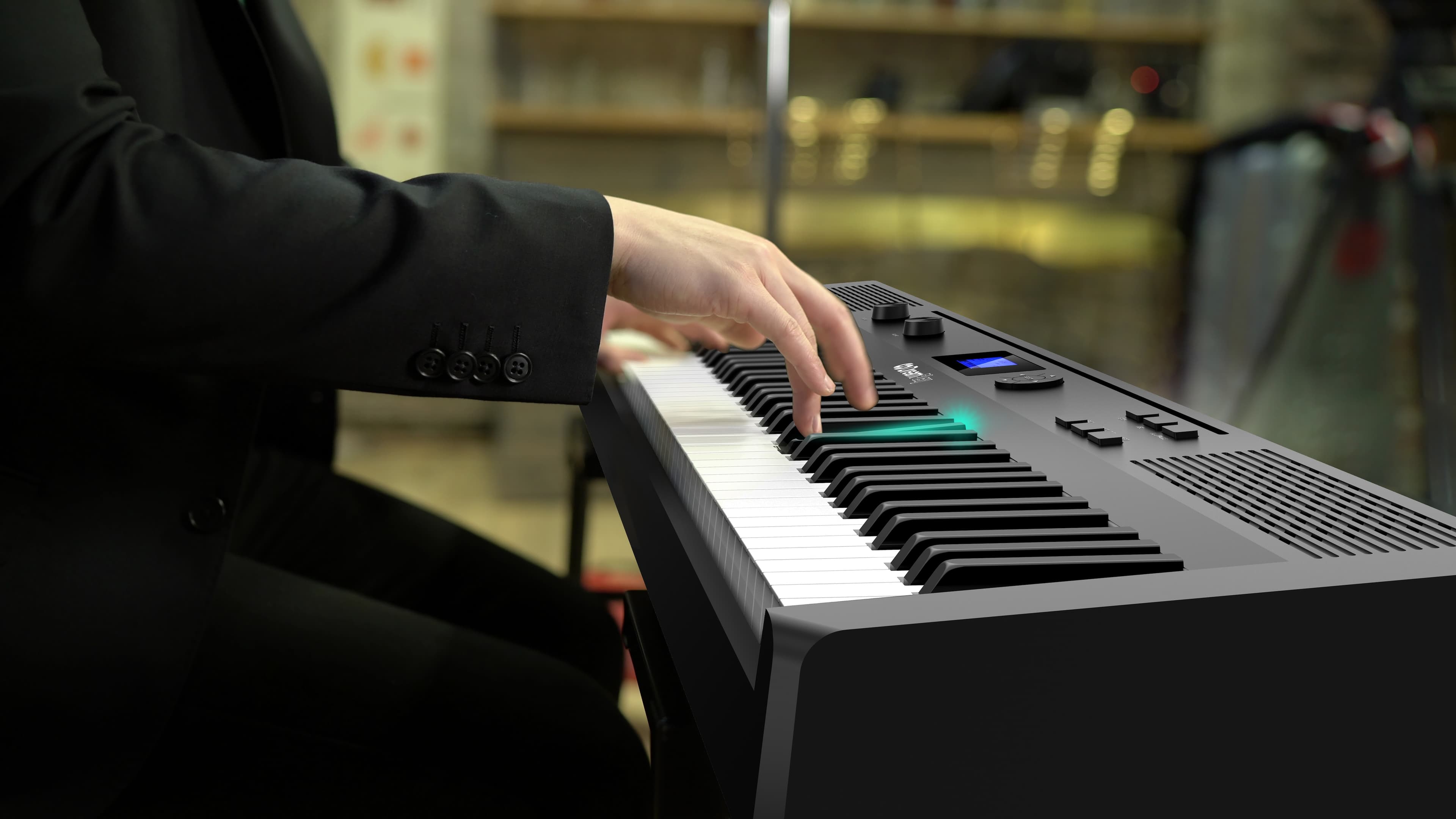
Historical Facts
The Myth of the
Permanent Standard
The 6.5-inch piano octave was never an objective ergonomic ideal. Discover how history, engineering, and anatomical outliers shaped the modern keyboard.
The nimble keys of Mozart & Bach.
There is a prevailing myth within the classical music industry that the piano keyboard has always been this size. Historical organology proves this assumption entirely false.
Prior to the 1880s, keyboard sizes varied significantly across regions and manufacturers. Early fortepianos, harpsichords, and clavichords frequently featured much narrower keys, shallower key dips, and a significantly lighter action.
Giants of the era—like Mozart, Haydn, and Bach—composed and performed on instruments perfectly suited to rapid, intricate finger work, not massive, forceful chordal playing.
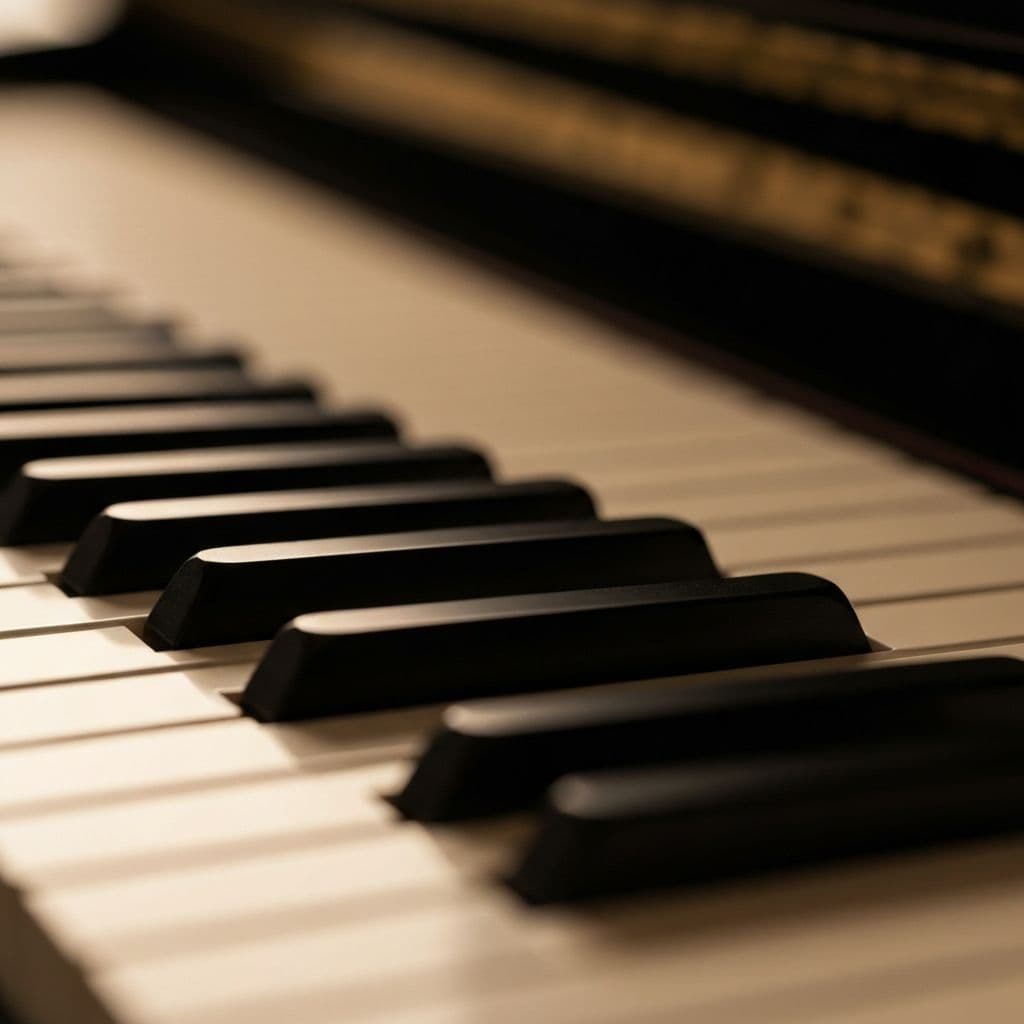
Historical Fortepiano Keys
[ Replace Image ]
Historical fortepianos featured significantly narrower keys than today's standard.
Built for halls, not for hands.
As the piano evolved throughout the 19th century, manufacturers sought to increase the instrument's volume and projection to suit the larger concert halls being built across Europe.
The pivotal introduction of cast iron frames allowed for vastly higher string tension. This structural evolution necessitated heavier, thicker strings and substantially larger hammers to strike them.
To accommodate these robust mechanical actions, and to provide the necessary leverage to move the heavier hammers, the keys themselves became longer, heavier, and wider.
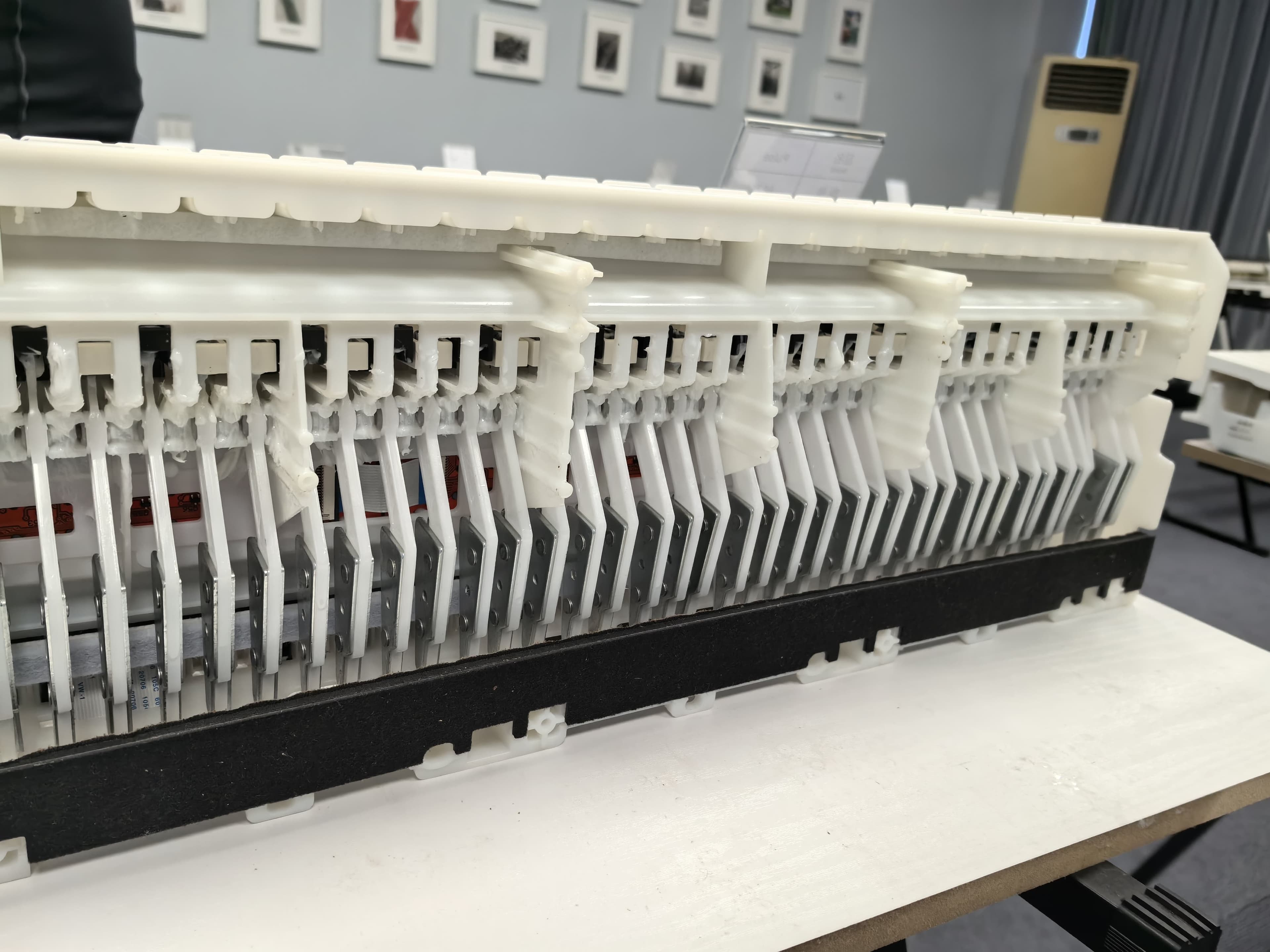
Mechanics required larger actions, shifting the design focus away from ergonomics.

Franz Liszt and his contemporaries composed for their own massive anatomies.
Composing for giants.
By the late 1880s, mass production techniques formalized the physical dimensions of the keyboard to a rigid 6.5-inch (16.5 cm) octave width.
Crucially, this standardization coincided with the Romantic virtuoso tradition. Composers and touring virtuosos like Franz Liszt, Johannes Brahms, and Sergei Rachmaninoff possessed exceptionally large hands.
Rachmaninoff, standing 6 feet 6 inches tall, could cleanly strike a 13th interval. These men wrote music that fully utilized their unique anatomical advantages, embedding gargantuan intervals into the foundational canon of advanced piano repertoire.
The industry's best kept secret.
The rigid adherence to the 6.5-inch standard was quietly bypassed by those with enough influence to demand accommodation.
The legendary pianist Josef Hofmann, a close friend of Rachmaninoff and the dedicatee of his notoriously difficult Third Piano Concerto, openly refused to perform the piece publicly due to the limitations of his smaller hand span.
Leveraging his immense fame, Hofmann demanded that Steinway & Sons build him a custom 7-foot instrument featuring a narrower keyboard with a 6.3-inch octave.
While Hofmann's custom instrument highlights that manufacturers have long possessed the capability to alter keyboard dimensions without ruining the instrument, this practice was kept quiet in an industry notoriously slow to embrace systemic change.
A New Era
The instrument should adapt to the player.
Join the revolution of pianists escaping the constraints of the 19th-century standard. Experience the joy of possibility with DreamPlay One.
Reserve NowMSRP $1,499 — Founder's pricing available for a limited time.