Keyboard Sizes
DS5.5 vs DS6.0: Which Narrow Key Size Fits Your Hands?
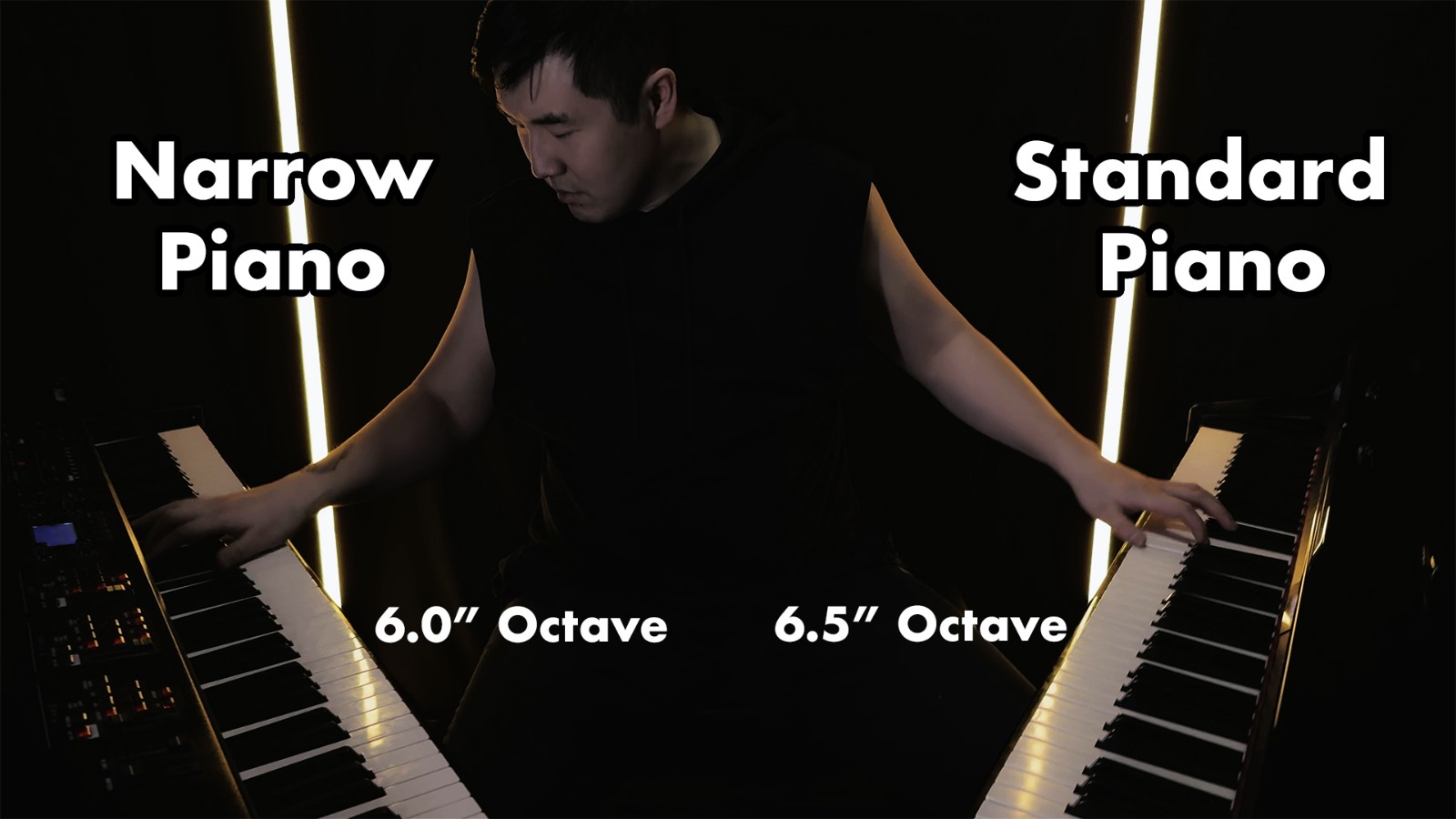
DS5.5 and DS6.0 are the two narrow key sizes you will run into when you start reading about this, and the number in each name is the width of one octave in inches. A standard keyboard is a DS6.5, so the sizes step down by half an inch.
The sizes
- DS6.5 is the conventional size, with a 6.5 inch octave. It fits hand spans over 8.5 inches.
- DS6.0 has a 6.0 inch octave, which is 15/16 of the standard width. It fits spans from 7.6 to 8.5 inches.
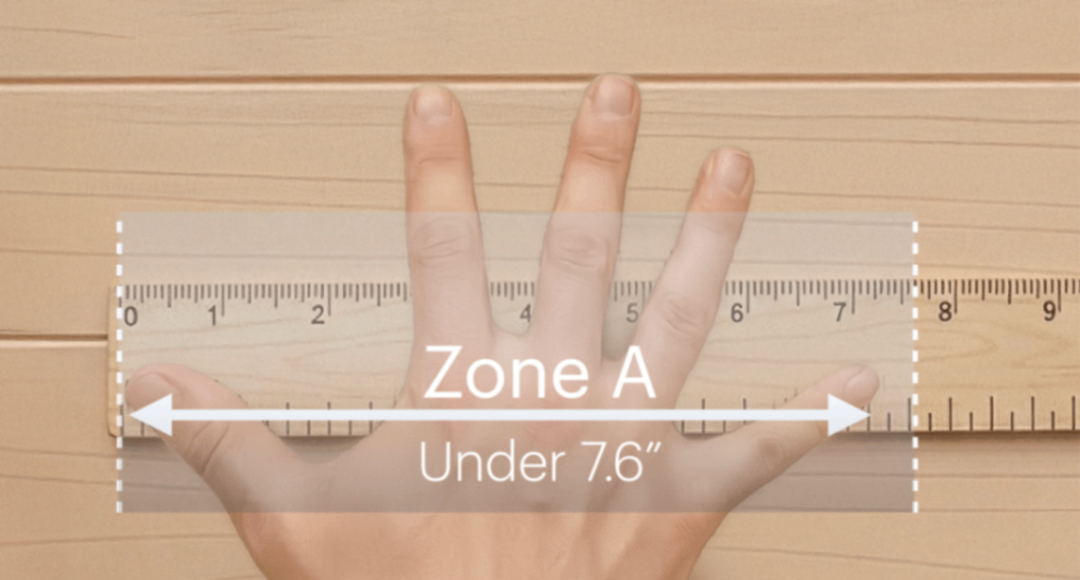
- DS5.5 has a 5.5 inch octave, which is 7/8 of the standard width. It fits spans under 7.6 inches.
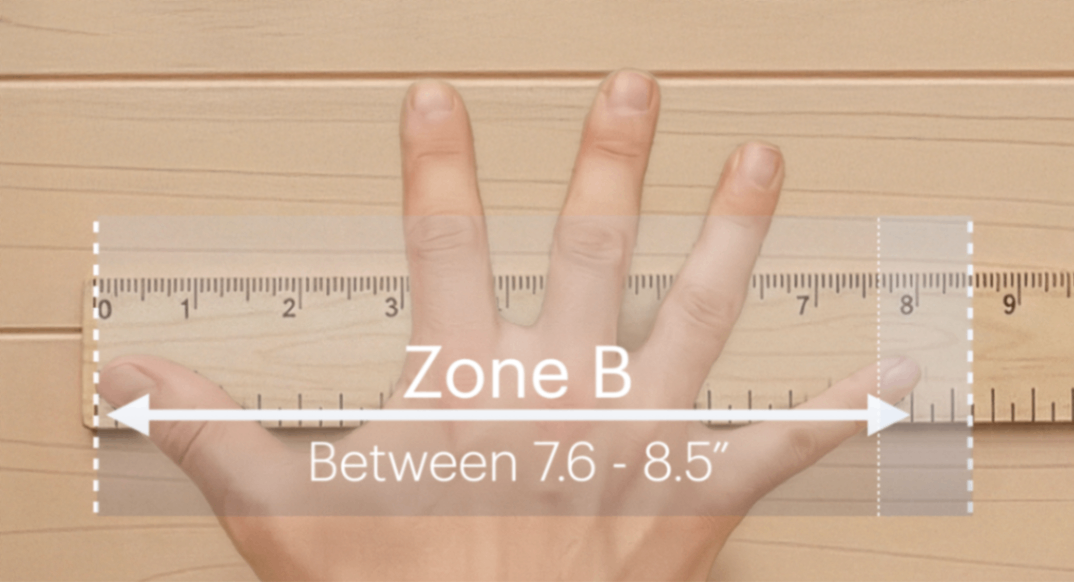
In the words of the DS Standard Foundation, as we repeat them on our FAQ, the DS6.0 is the universal size: it accommodates almost all men and the average female hand. The DS5.5 is the size for petite hands and for children, and it takes away the hand size advantage men have over women on a standard keyboard.
If you are choosing for a child, the DS5.5 is the size our FAQ points to. Its argument is that a child who learns on a 7/8 size keyboard builds relaxed technique from the first lesson, and does not pick up tense workarounds that take years to unlearn. We would not hand a five year old a full size violin, and the same logic applies to the piano.
What stays the same
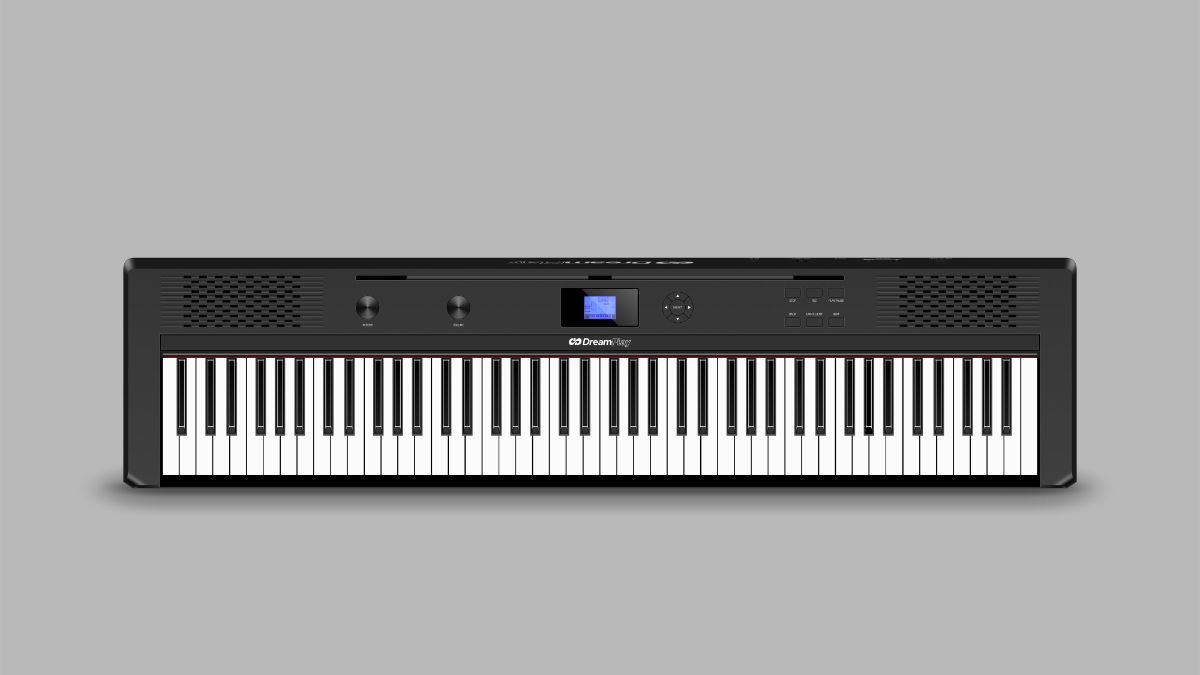
Both sizes have 88 weighted keys, so the sizes change the width of the keys and not the number of them. A DreamPlay One has a weighted hammer action in either size. If you order one size and it turns out to be the wrong one, our FAQ describes a 90 day window after the keyboard arrives to exchange it for the other size, with shipping covered both ways.
Where the sizes come from
The DS stands for Donison-Steinbuhler. Christopher Donison and David Steinbuhler created the standard in 1991 so that an alternative size would be the same everywhere. DreamPlay is an official licensed partner of the DS Standard Foundation.
That is also why we do not make a DS5.7 or a DS6.2. A size you fall for at home should exist in the studio, the school and the concert hall, and it can only do that if the sizes are the same everywhere. According to our FAQ, Southern Methodist University in Dallas, under Dr. Carol Leone, was the first major US institution to bring DS5.5 and DS6.0 keyboards in, in 2000, and the University of North Texas, the Peabody Institute at Johns Hopkins, Eastman and the University of Colorado Boulder keep alternatively sized keyboards too.
Which one is yours
Measure your hand span, thumb tip to little finger tip, stretched naturally. Under 7.6 inches is DS5.5 territory. From 7.6 to 8.5 inches is DS6.0. Over 8.5 inches, a standard keyboard is probably fine for you.
If you land near a line, remember that adjusting is quick. Dr. Leone's research at SMU found that on average a pianist adjusts to a DS6.0 in 10 to 15 minutes and to a DS5.5 in about 40. A half inch of width is a short adjustment either way.
I play a DS6.0. For the first few weeks the black keys felt very narrow to me, and my finger accuracy had to be better, because there is less key to land on. The unease went away, and what I noticed instead was how relaxed my hand was on octaves. That is one pianist's experience with one size, so take it as a data point and measure your own hand.
Lionel
P.S. The story of the DS Standard and the people behind it is on our DS Standard page.
Pick your size
Measure your hand span, then match it to a DS size. The DS Standard page explains where the sizes come from.