Wellness · Music · Ergonomics
The Piano Is Built
Against You
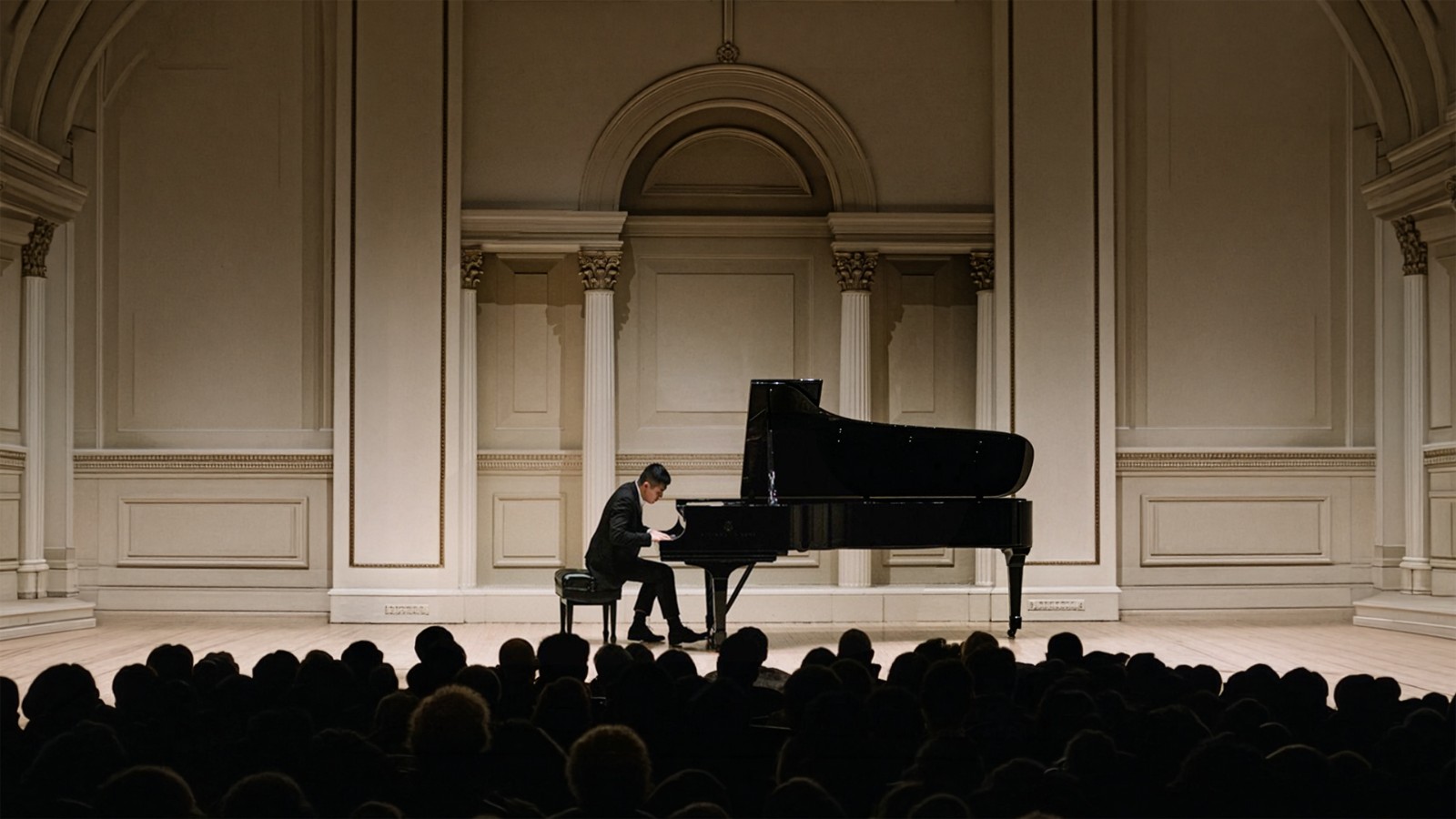
For over a century, pianists have blamed themselves for pain, strain, and struggle. The real problem was never their hands. It was the keyboard.
Part One
Your Piano Might Be Gaslighting Your Hands
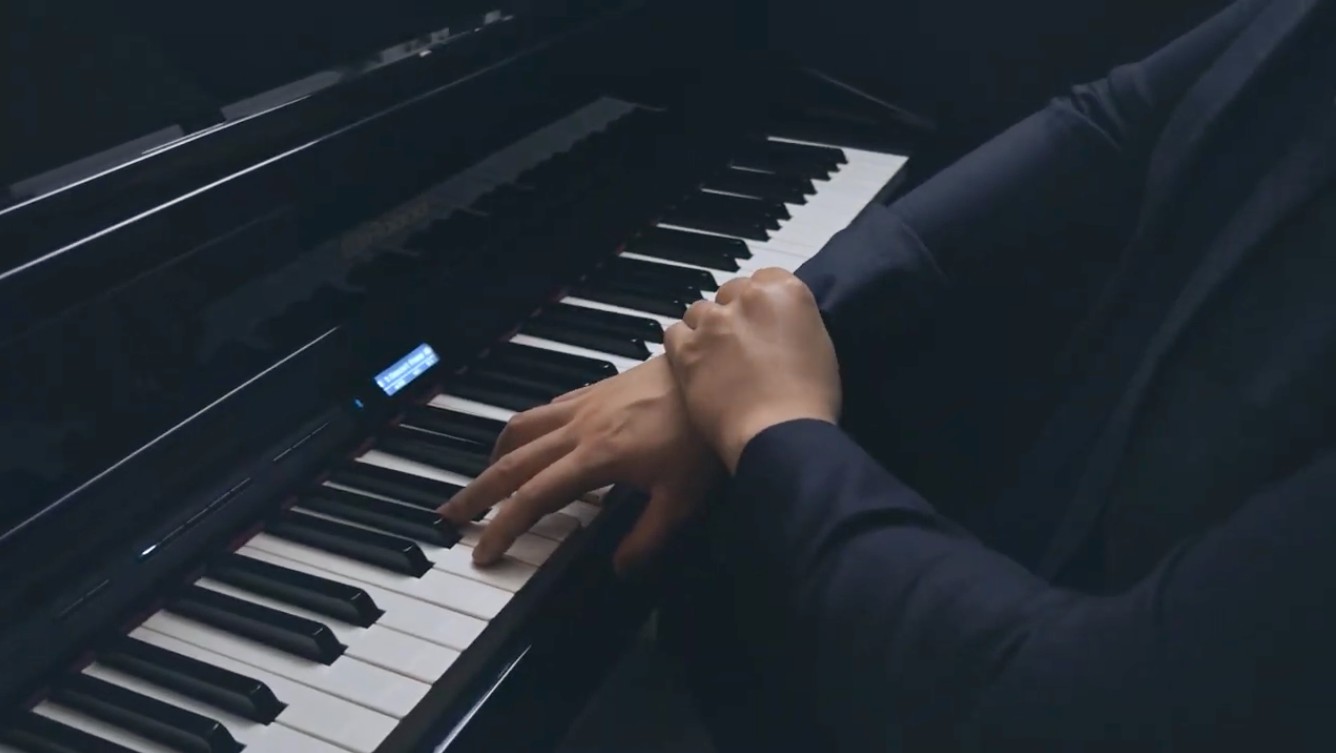
You've felt it. That nagging ache in your wrist after a long practice session. The pinch between your thumb and forefinger when you reach for an octave. The quiet voice that whispers, "Maybe I'm just not built for this." Here's the thing: that voice is wrong. But the piano? The piano has been lying to you for about 140 years.
The modern keyboard was standardized in the 1880s. The people making that decision had a very specific player in mind: a European man with large hands. Think Franz Liszt. Think Sergei Rachmaninoff, who could reportedly span a twelfth. The key width they settled on was never tested for ergonomic fit across different hand sizes. It was never revisited. It simply became "the standard," and everyone else was expected to adapt.
And adapt they did, often at enormous physical cost.
78%
of pianists in a 222-person study experienced playing-related pain or injury. Women faced roughly 50% higher risk than men.
Farias et al., 2002
Let that number land. Nearly eight out of every ten pianists in that study were hurting. Not hobbyists playing "Chopsticks" on weekends. Serious, dedicated musicians. And the women among them were getting injured at significantly higher rates.
As researcher and piano technician Christopher Donison once observed: "Manufacturers were not about to make an instrument that would cause some European Caucasian male who sat before it to say, 'These keys are too small.'"
So they made them big. And everyone else, the women, the younger students, the players of East Asian descent, the men without basketball-player hands, all of them were told to stretch harder, practice more, build strength. The problem was always framed as a deficiency in the player. Never in the instrument.
So who, exactly, did they leave out?
Part Two
One Size Fits Nobody (Especially If You're a Woman)
Imagine a concert hall filled with 100 female pianists. Every one of them trained, talented, and deeply committed to their craft. Now picture this: 87 of them are playing an instrument that doesn't fit their hands. Not metaphorically. Measurably. Medically. The keyboard under their fingers demands a hand span that their anatomy simply cannot deliver without strain.
That number comes from research by Boyle and Boyle, who found that 87.1% of adult female pianists have hands classified as "small" relative to the standard keyboard. It's not just a women's issue, either. Nearly 24% of male pianists fall into the same category. Add it up, and the majority of people who play piano are fighting physics every single time they sit down at the bench.
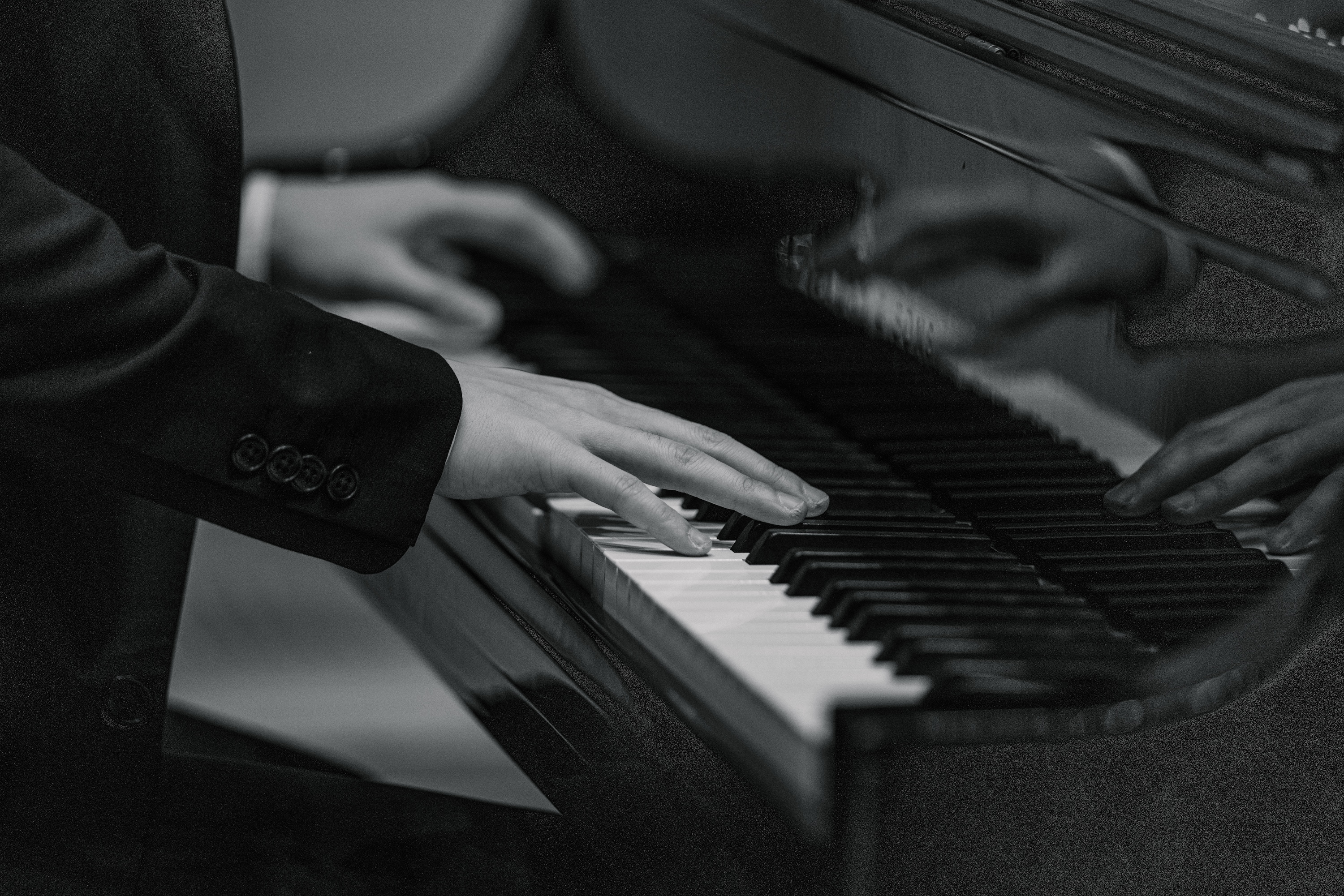
For smaller hands, even an octave can demand maximum stretch.
Here's what that mismatch actually looks like in practice, and this part might make you wince even if you've never touched a piano.
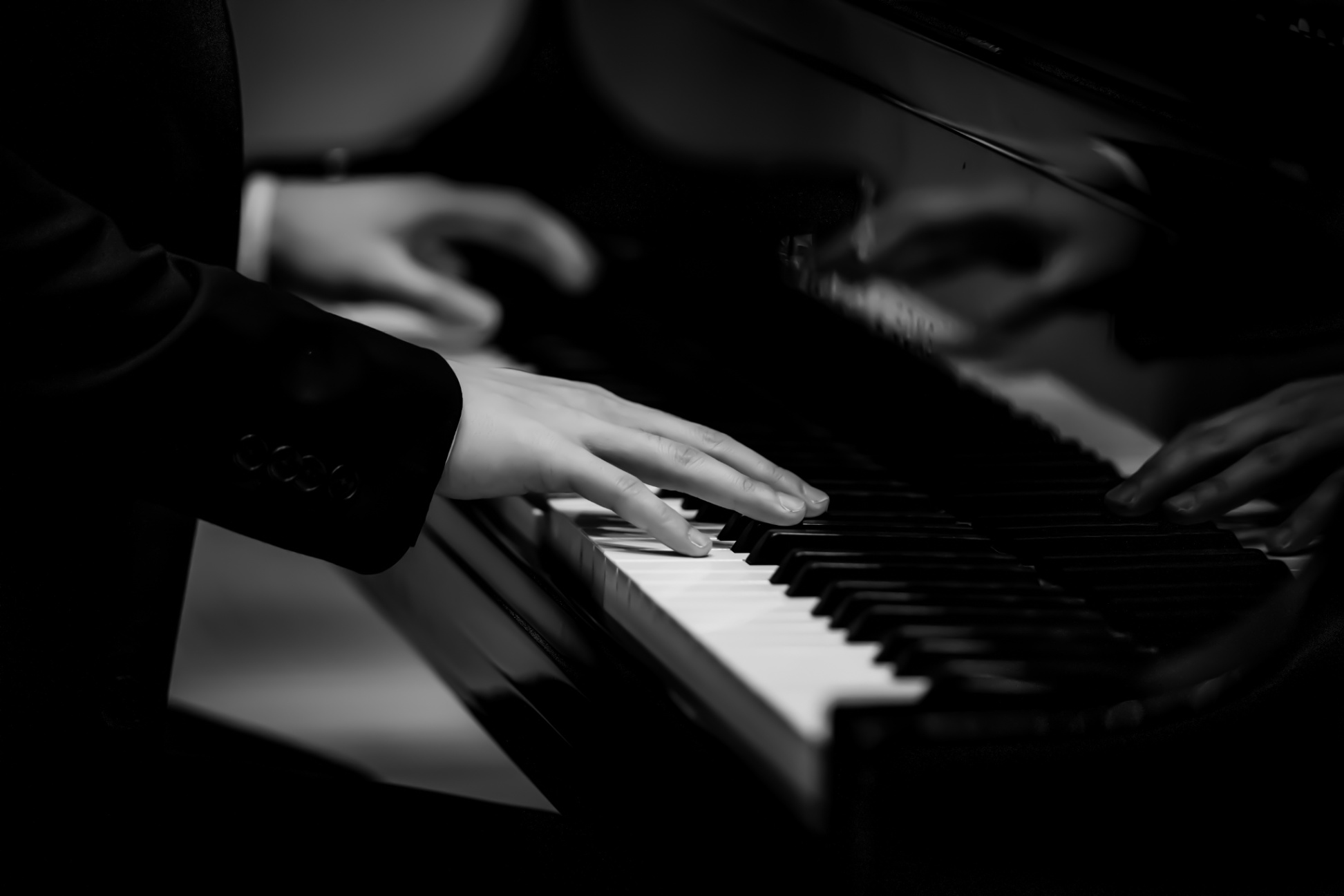
To reach an octave on a standard keyboard, a smaller-handed player has to push their fingers to the extreme front edge of the white keys. This forces the wrist into lateral deviation, a sideways bending that your wrist was absolutely not designed to sustain under repetitive, high-speed motion. On top of that, the fingers hyperextend. The forearm muscles grip harder than they should to compensate for the lack of natural reach. Rapid passages become a negotiation between speed and pain.
Now imagine doing that for four hours a day, six days a week, for years. This is what conservatory life looks like for the majority of pianists. The repetitive strain injuries, the tendonitis, the focal dystonia: these aren't mysteries. They're the predictable result of forcing human bodies to conform to a machine that was never designed for them.
The cruelest part? Most of these players spent years believing the problem was their own lack of talent, discipline, or technique.
Now imagine someone handed you a keyboard that actually fit.
Part Three
The Keyboard That Finally Fits
They already exist. That's the part that stops people mid-sentence when they hear about this for the first time. Ergonomically scaled keyboards, with narrower keys designed to match the actual range of human hand sizes, are real. They're playable. And the results are enough to make grown musicians weep.
The DS Standard (Donison-Steinbuhler) offers key widths of approximately 15.5mm at the front of the white keys, compared to the conventional 23.5mm. That difference might sound small on paper. In practice, it transforms everything. Pianists who switch report that the experience is almost disorienting in its relief. Suddenly, an octave feels comfortable. A ninth is reachable. Chords that once required painful contortion fall naturally under the fingers.
The data backs up what the players are feeling. In Boyle's 2012 survey of pianists who adopted reduced-size keyboards, respondents reported improvements across nearly every dimension of playing: increased power, greater speed, better tonal control, improved rhythmic precision, and higher accuracy. Separately, Yoshimura and Chesky's 2009 study found significantly reduced pain among smaller-handed students who practiced on narrower keyboards.
More
Power & Speed
Less
Pain & Fatigue
Higher
Accuracy & Control
But no data point captures the emotional reality quite like what happens in the room when someone plays a properly fitted keyboard for the first time.
"How often the pianist spontaneously bursts into tears… 'It's not me that is the problem; it is the instrument!'"
Dr. Carol Leone, Pianist and Educator
Read that again. These aren't beginners. These are professional musicians, people who have devoted their lives to the instrument, who have pushed through pain for decades while believing something was wrong with them. The tears aren't about the keyboard. They're about the years of misplaced blame finally lifting.
Adaptation happens fast, too. Most pianists report feeling comfortable on the narrower keys within hours, not weeks. The muscle memory transfers. The technique holds. What changes is everything around it: the ease, the reach, the absence of strain.
This isn't a fringe experiment. It's a movement finding its moment.
Part Four
Your Hands Deserve Better
The conversation is shifting. And now that you know, you can't unknow it. You'll hear it every time a young student says their hands are "too small." You'll feel it every time a female pianist shakes out her wrists between movements. The awareness, once it clicks, is irreversible.
And here's what makes this moment different from the decades of quiet advocacy that came before: institutions are starting to listen. Universities and conservatories across North America, including the University of Ottawa and others, have begun acquiring ergonomically scaled keyboards for their students. It's no longer just a handful of independent researchers making the case. The instruments are being built, purchased, and put into practice rooms where the next generation of pianists will grow up knowing that the keyboard should fit the player, not the other way around.
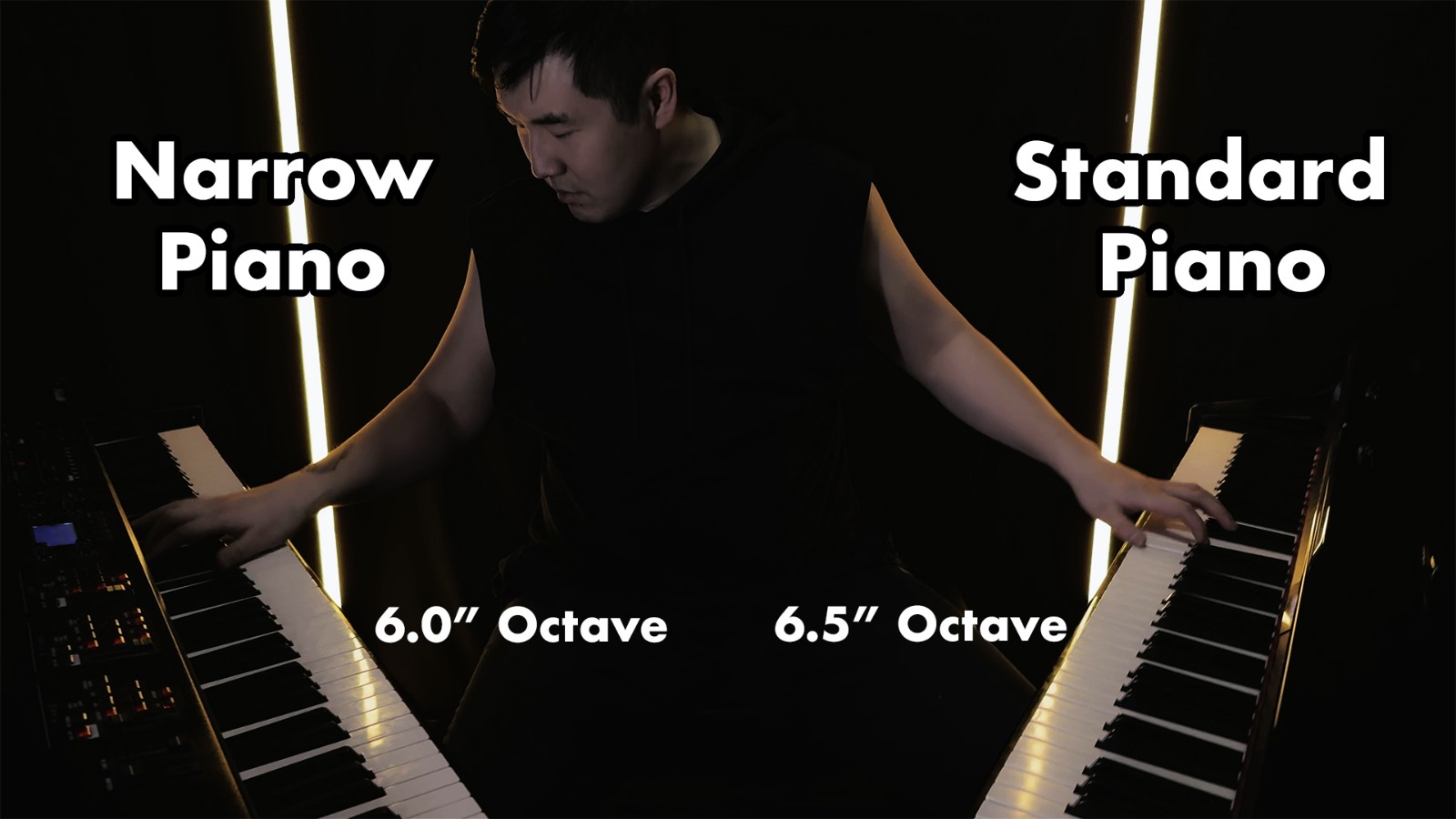
Scaled keyboards are beginning to appear in conservatories and university practice rooms.
This is a tipping point, not a fringe idea. The research is robust. The technology is proven. The emotional and physical evidence is overwhelming. What's needed now is visibility. More pianists need to know this option exists. More teachers need to question the assumption that "standard" means "correct." More audiences need to understand that when a performer struggles, the answer might not be more practice. It might be a better instrument.
Think about the arc of this story. For over a century, pianists were told they were the problem. The truth is that a single, unconsidered industrial decision made in the 1880s has been causing pain, ending careers, and distorting the talent pool of one of the world's most beloved instruments. And right now, today, that's beginning to change.
Stay With This Story
We're going to keep following
this quiet revolution.
New research, personal stories from pianists who've made the switch, and updates on the movement to redesign one of music's most fundamental tools. Delivered to your inbox, no spam, just the notes that matter.
SubscribeJoin free. Unsubscribe anytime.